
Learning Library
How to Improve Volleyball Reaction Time
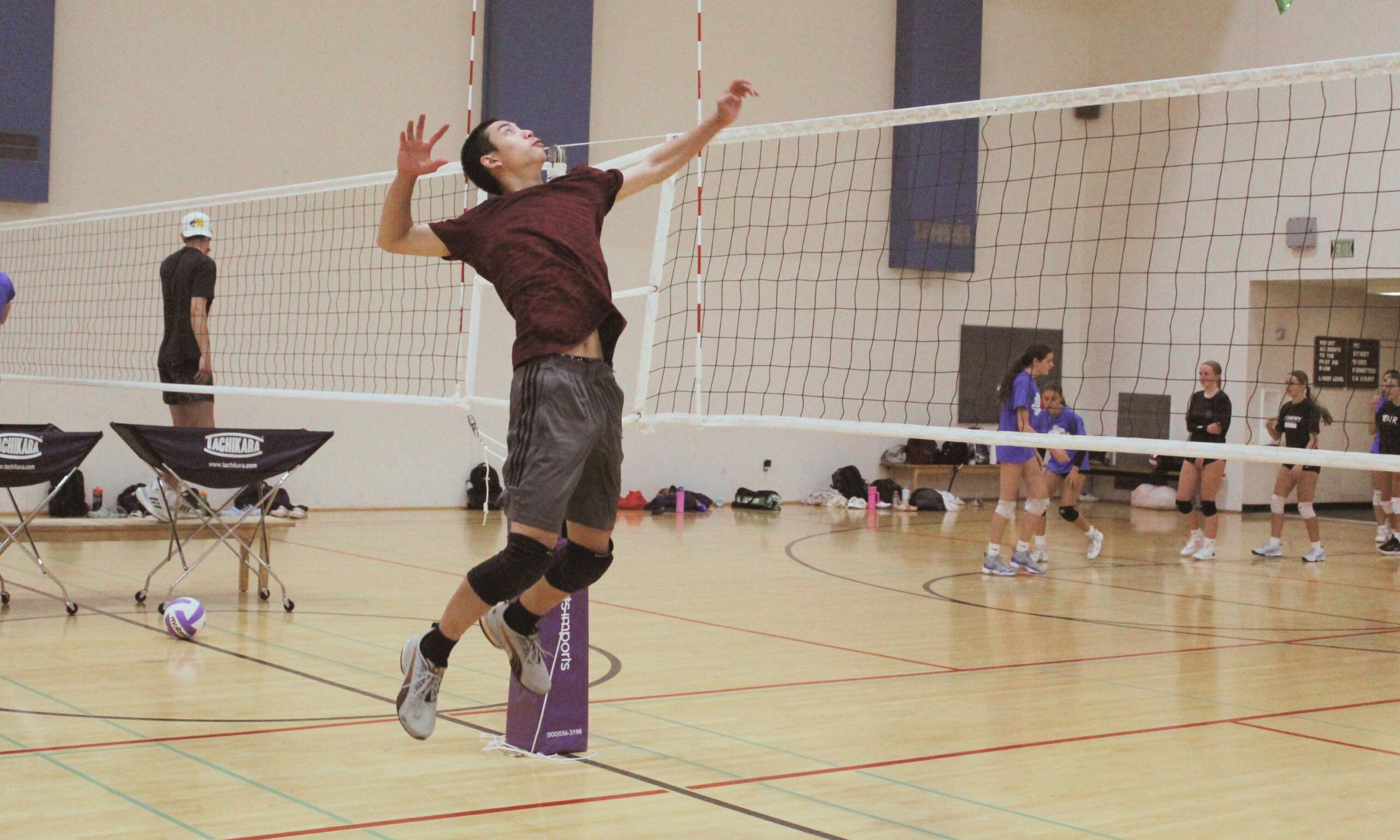
A hard-driven ball from behind the attack line gives a back-row defender somewhere between 0.3 and 0.5 seconds to read it, move, and make a play. That's not a lot of time, but it's also more than enough time if you're not waiting to see where the ball is going before your body starts moving. The players who seem to have great reaction time usually aren't faster. They just see things earlier. Your Eyes Are the First Thing to Train Most reaction-time training focuses on the physical side of the house: ladder drills, drop catches, partner tosses. Those are all important, but the bigger gains come from learning to pick up cues before the ball is even hit. In volleyball, those cues are specific and easy to learn. A setter [Read More>]
Volleyball Drills to Improve Serve Receive
Picture this: it's late in the third set, the score is tight, and your team's best server is about to put up a shot that's been giving you trouble all match. Your platform isn't ready. Your feet aren't set. And by the time you process all of that, the ball's already on the floor. That scenario plays out at every level, and in most cases, it’s not a footwork problem -- it's a platform problem. It’s the habit of forming your arms on the way to the ball instead of before it gets there. Fix the Platform Before You Fix Anything Else Six feet from a wall, pass the ball against it in the same spot for 30 passes, and then do it again. What you're looking for is a [Read More>]
How Volleyball Players Can Reduce Overuse Injuries During the Season
Volleyball players face constant stress on their shoulders, knees, and ankles from repetitive jumping, hitting, and lateral movements. This increases injury risk when athletes participate in year-round competition without enough recovery or preventative care. Understanding how to protect your body while maintaining performance helps you stay healthy throughout long seasons. Recognize Early Warning Signs Instead of appearing suddenly, overuse injuries usually develop gradually over time. Volleyball players need to recognize subtle signals that indicate problems early on before they become serious. Persistent soreness that doesn't go away after a day or two of rest should get your attention. Decreased range of motion in your shoulder, stiffness in your knees after practice, or pain that changes your mechanics all indicate your body needs intervention. Many athletes push through discomfort, assuming it's [Read More>]
Club Volleyball vs School Volleyball: What’s the Difference?
As your child's volleyball skills develop, you'll face decisions about club volleyball versus school volleyball participation. Understanding the differences between these options helps your family make informed choices about time commitments, competitive goals, and priorities for their development. Many serious players participate in both, but each serves distinct purposes in an athlete's progression. Season Timing and Schedule Structure School volleyball runs during a designated season that varies by state, typically falling in autumn or spring. Your child practices after school, competes in scheduled league matches, and finishes when playoffs conclude or the season ends. Club volleyball operates outside the school season, generally running from late fall through early summer. The club season involves longer time commitments with multiple practices weekly, weekend tournaments that typically require travel, and national championship events [Read More>]

What a Typical Day Looks Like at Volleyball Camp
Knowing what to expect at volleyball camp helps reduce anxiety for first-time campers, while also giving parents confidence in their decision to register. Although specific schedules can vary by program, most quality camps follow a structured daily rhythm that balances intensive skill training with adequate rest and team-building activities. Morning Check-In and Warm-Up Your day at a Revolution Volleyball Camp typically begins between 8:00 and 9:00 AM with check-in/registration/arrival. There’s also a daily theme workshop from 9:00 AM to 9:30 AM to set the tone for the day. Morning warm-ups start with dynamic stretching and movement preparation designed to prevent injuries and get your body ready for training. Coaches lead athletes through exercises that activate the muscle groups used most in volleyball—shoulders, legs, and core. First Training Block: Fundamental Skills [Read More>]

Why Playing Multiple Positions Helps Young Volleyball Players Improve Faster
It’s not uncommon for young volleyball players to feel pressure to specialize in one position as early as possible. Parents wonder if their child should focus exclusively on setting, hitting, or defense to maximize improvement. But the reality is that playing multiple positions early on can create more complete athletes in the long run. Building a Complete Skill Foundation When young volleyball players experience different positions, they develop different skills and abilities that transfer across all areas of the court. A player who learns setting understands ball control and touch. Time spent as a middle blocker teaches timing and footwork at the net. Rotations through outside hitter builds passing and defensive skills. These various experiences create well-rounded athletes who understand the game from more than one perspective. Your child learns [Read More>]