How to Read the Game Better in Volleyball
The players who are hard to face don't have the best skills on the court. They have the best information. They're already moving before the ball is hit. The game is running slower for them than it is for everyone else. Game reading is pattern recognition. The more competitive volleyball you play, the bigger your pattern library gets — and the more the game starts to feel like something you anticipated rather than something you're reacting to. Watch the Setter, Not the Ball The setter touches the ball on almost every offensive possession, and they telegraph what's coming before they [Read More>]
Common Volleyball Mistakes and How to Fix Them
Bad habits don't show up in practice. They show up in the third set of a tournament when the score is close and you haven't slept enough. That's when all the technique that looked fine in a quiet gym starts to fall apart. Most of these mistakes aren't about effort. They're about patterns that got ingrained somewhere along the way and were never corrected. The fix is usually straightforward once you know what to look for. Forming the Platform Late Your arms should be together before the ball crosses the net — not as it's arriving, not as you're running [Read More>]

How Volleyball Players Can Reduce Overuse Injuries During the Season
Volleyball players face constant stress on their shoulders, knees, and ankles from repetitive jumping, hitting, and lateral movements. This increases injury risk when athletes participate in year-round competition without enough recovery or preventative care. Understanding how to protect your body while maintaining performance helps you stay healthy throughout long seasons. Recognize Early Warning Signs Instead of appearing suddenly, overuse injuries usually develop gradually over time. Volleyball players need to recognize subtle signals that indicate problems early on before they become serious. Persistent soreness that doesn't go away after a day or two of rest should get your attention. Decreased range [Read More>]
Club Volleyball vs School Volleyball: What’s the Difference?
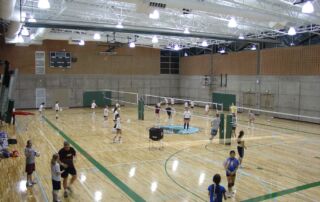
As your child's volleyball skills develop, you'll face decisions about club volleyball versus school volleyball participation. Understanding the differences between these options helps your family make informed choices about time commitments, competitive goals, and priorities for their development. Many serious players participate in both, but each serves distinct purposes in an athlete's progression. Season Timing and Schedule Structure School volleyball runs during a designated season that varies by state, typically falling in autumn or spring. Your child practices after school, competes in scheduled league matches, and finishes when playoffs conclude or the season ends. Club volleyball operates outside the school [Read More>]

What a Typical Day Looks Like at Volleyball Camp
Knowing what to expect at volleyball camp helps reduce anxiety for first-time campers, while also giving parents confidence in their decision to register. Although specific schedules can vary by program, most quality camps follow a structured daily rhythm that balances intensive skill training with adequate rest and team-building activities. Morning Check-In and Warm-Up Your day at a Revolution Volleyball Camp typically begins between 8:00 and 9:00 AM with check-in/registration/arrival. There’s also a daily theme workshop from 9:00 AM to 9:30 AM to set the tone for the day. Morning warm-ups start with dynamic stretching and movement preparation designed to prevent [Read More>]
Why Playing Multiple Positions Helps Young Volleyball Players Improve Faster
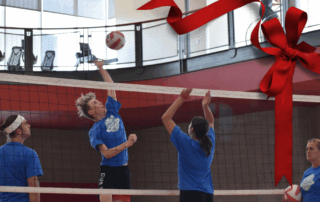
It’s not uncommon for young volleyball players to feel pressure to specialize in one position as early as possible. Parents wonder if their child should focus exclusively on setting, hitting, or defense to maximize improvement. But the reality is that playing multiple positions early on can create more complete athletes in the long run. Building a Complete Skill Foundation When young volleyball players experience different positions, they develop different skills and abilities that transfer across all areas of the court. A player who learns setting understands ball control and touch. Time spent as a middle blocker teaches timing and footwork [Read More>]
Volleyball Positions Explained for Players and Parents
Understanding volleyball positions helps players develop the right skills. It also helps parents follow the action better. As your child progresses into club volleyball or higher-level competition, position specialization becomes more important. Here's what each position does and what attributes make players successful in those roles. Setter: The Quarterback of Volleyball Setters touch the ball on nearly every offensive play, distributing it to hitters who attempt to score. This position requires someone with great hands, court awareness, and solid decision-making ability. Your setter needs to read the defense, know which hitters are in the best position to attack, and deliver [Read More>]
How Volleyball Players Improve Communication on the Court
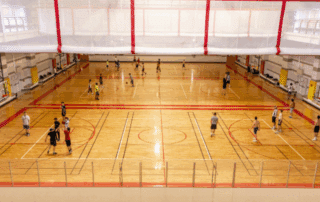
Volleyball players often focus on things like perfecting their approach, refining their serve, or mastering defensive positioning to take their game to the next level. Those things are all important, but solid communication separates good teams from great ones. The ability to talk effectively on the court directly impacts your team's performance, defensive coverage, and ability to recover from unexpected plays. Understanding Why Communication Breaks Down Many volleyball players struggle with communication because they're unsure what to say or when to say it. You might worry about saying the wrong thing, distracting teammates, or talking too much during play. This [Read More>]