Learning Library
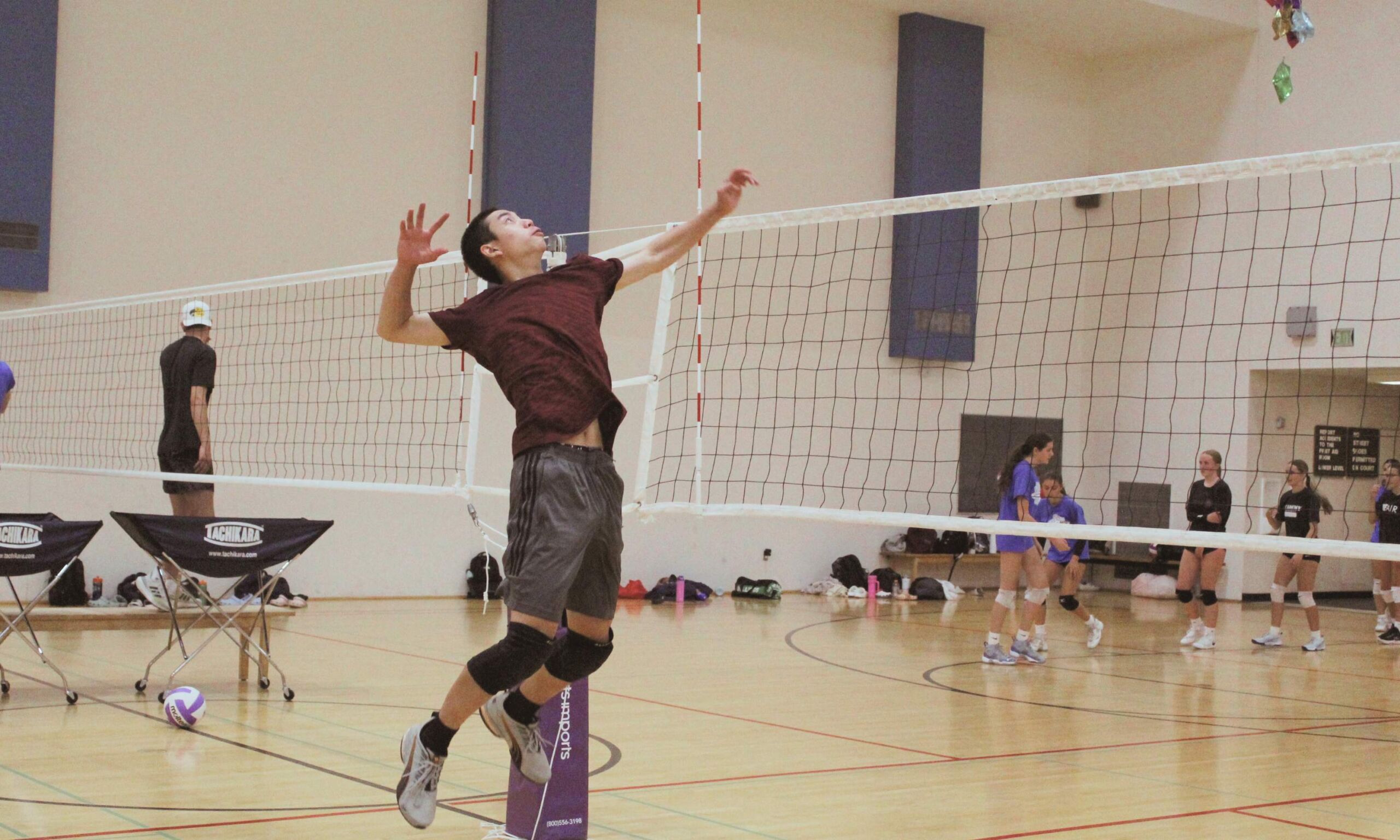
Volleyball Skills to Master Before High School Tryouts
High school coaches evaluate many players in a short window. They're not watching every touch you make. They're watching how you handle a bad pass, whether you call the ball, whether you respond to a correction or just nod and repeat the same mistake. First impressions happen fast and they're hard to undo. If tryouts are coming up, here's what actually matters. Consistent Passing Over Perfect Passing Coaches at the high school level aren't expecting perfect passes. They're looking for players who don't fall apart when serves get harder. There's a big difference between a player who passes the first two balls beautifully and then breaks down, and a player who passes reliably at 80% accuracy for two full days. If your serve receive reps always happen at the start [Read More>]
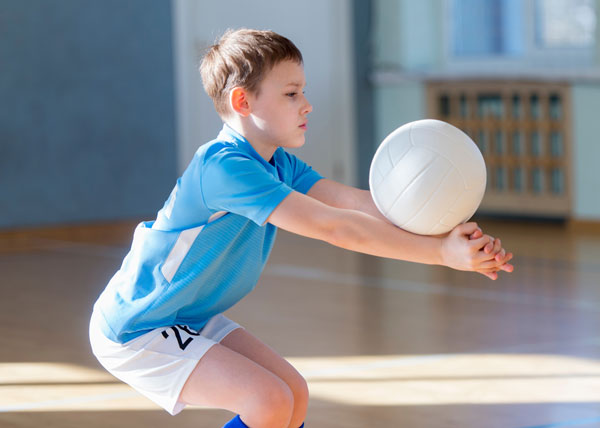
At-Home Volleyball Training Without a Net
You don't need a gym or a net to become a better volleyball player. Serve receive, game reading, setter decisions, live rallies — none of that can be replicated alone in your driveway. But the physical and technical foundations that make you more capable when you do get on the court? A lot of that work can happen anywhere. Here are some drills that can help you take your game to another level. Wall Passing Three to four feet from a wall, pass the ball against it and hit the same target every time. Do 50 consecutive passes with your platform. Then 50 overhead sets. The wall gives you immediate, honest feedback. Off-center contacts come back wrong, accurate contacts come back clean. After a few weeks of this, something shows [Read More>]
How to Read the Game Better in Volleyball
The players who are hard to face don't have the best skills on the court. They have the best information. They're already moving before the ball is hit. The game is running slower for them than it is for everyone else. Game reading is pattern recognition. The more competitive volleyball you play, the bigger your pattern library gets — and the more the game starts to feel like something you anticipated rather than something you're reacting to. Watch the Setter, Not the Ball The setter touches the ball on almost every offensive possession, and they telegraph what's coming before they release it. Their shoulders, their hip position, the angle of their hands are all readable if you look there instead of tracking the ball. A setter who's square to the [Read More>]
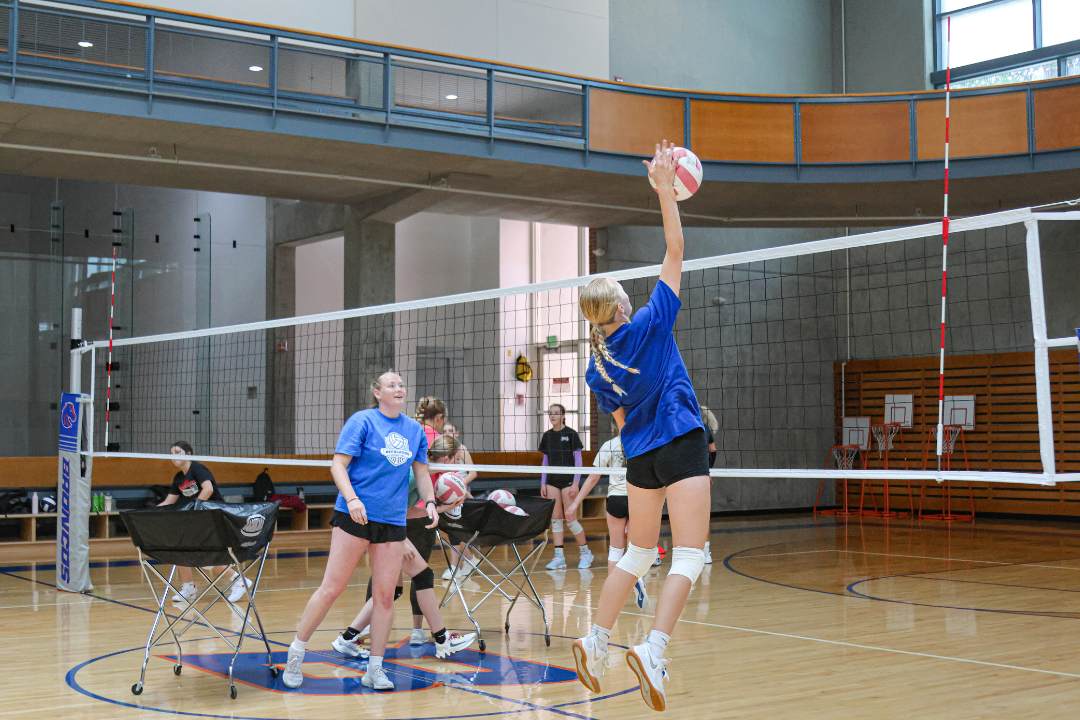
Volleyball Drills to Improve Court Awareness
You know the player who never seems to be in the wrong spot. They cover tips before the ball even gets tipped. They hold their position when everyone else chases the ball. They know where their teammates are without looking. That's court awareness, and it doesn't come from certain kinds of skill work. It develops through live play in situations that force you to process the whole court instead of just the ball. The No-Look Pass Drill The passer receives a ball and delivers it to the setter, but the setter moves to a different zone between every rep. Left, right, deep, middle. The passer doesn't know where the target is until after they've already received the ball. At first this drill feels really hard because you'll pass directly at [Read More>]
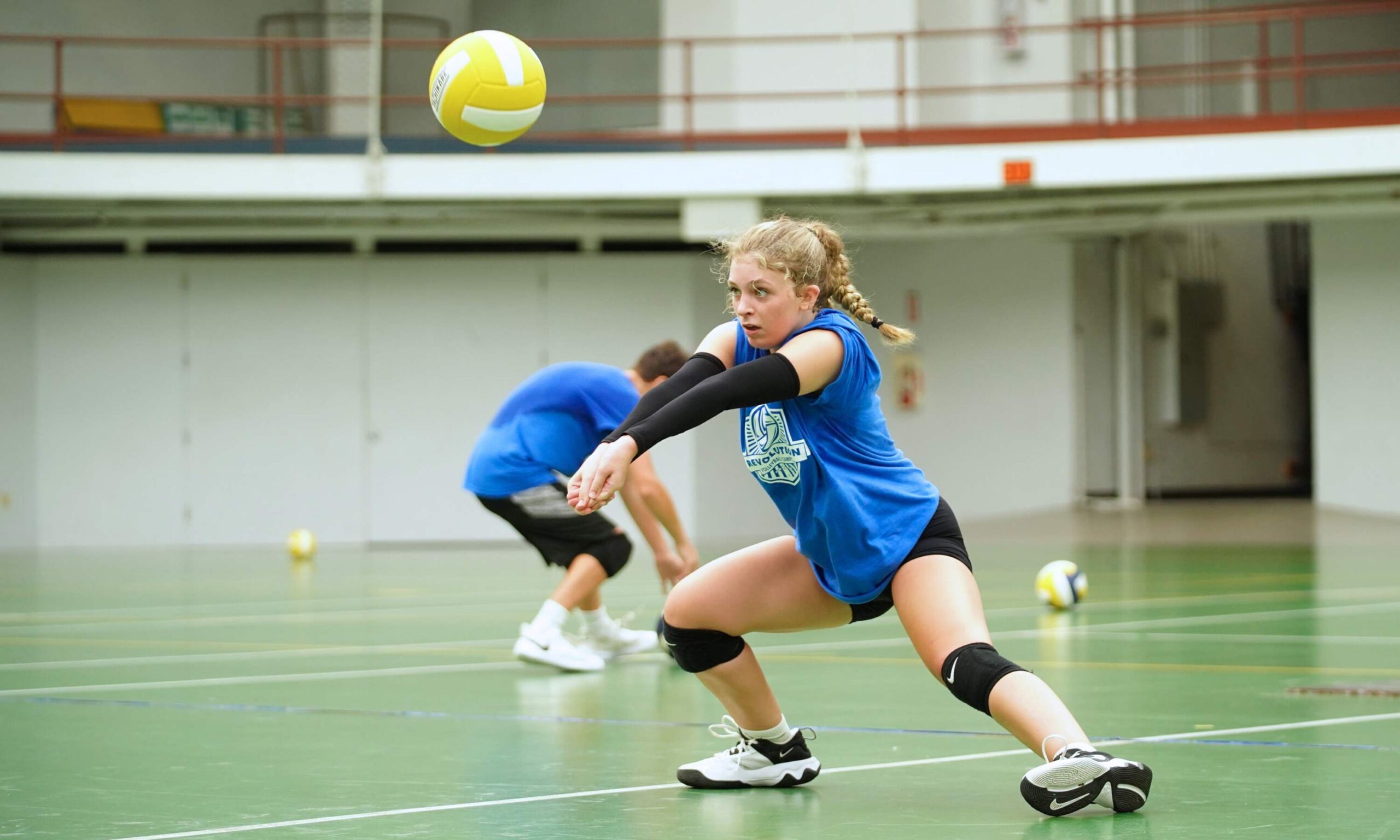
Common Volleyball Mistakes and How to Fix Them
Bad habits don't show up in practice. They show up in the third set of a tournament when the score is close and you haven't slept enough. That's when all the technique that looked fine in a quiet gym starts to fall apart. Most of these mistakes aren't about effort. They're about patterns that got ingrained somewhere along the way and were never corrected. The fix is usually straightforward once you know what to look for. Forming the Platform Late Your arms should be together before the ball crosses the net — not as it's arriving, not as you're running to it. If you're still pulling your platform together when the ball gets to you, your arm angle is whatever it happens to be in that moment, not where you [Read More>]
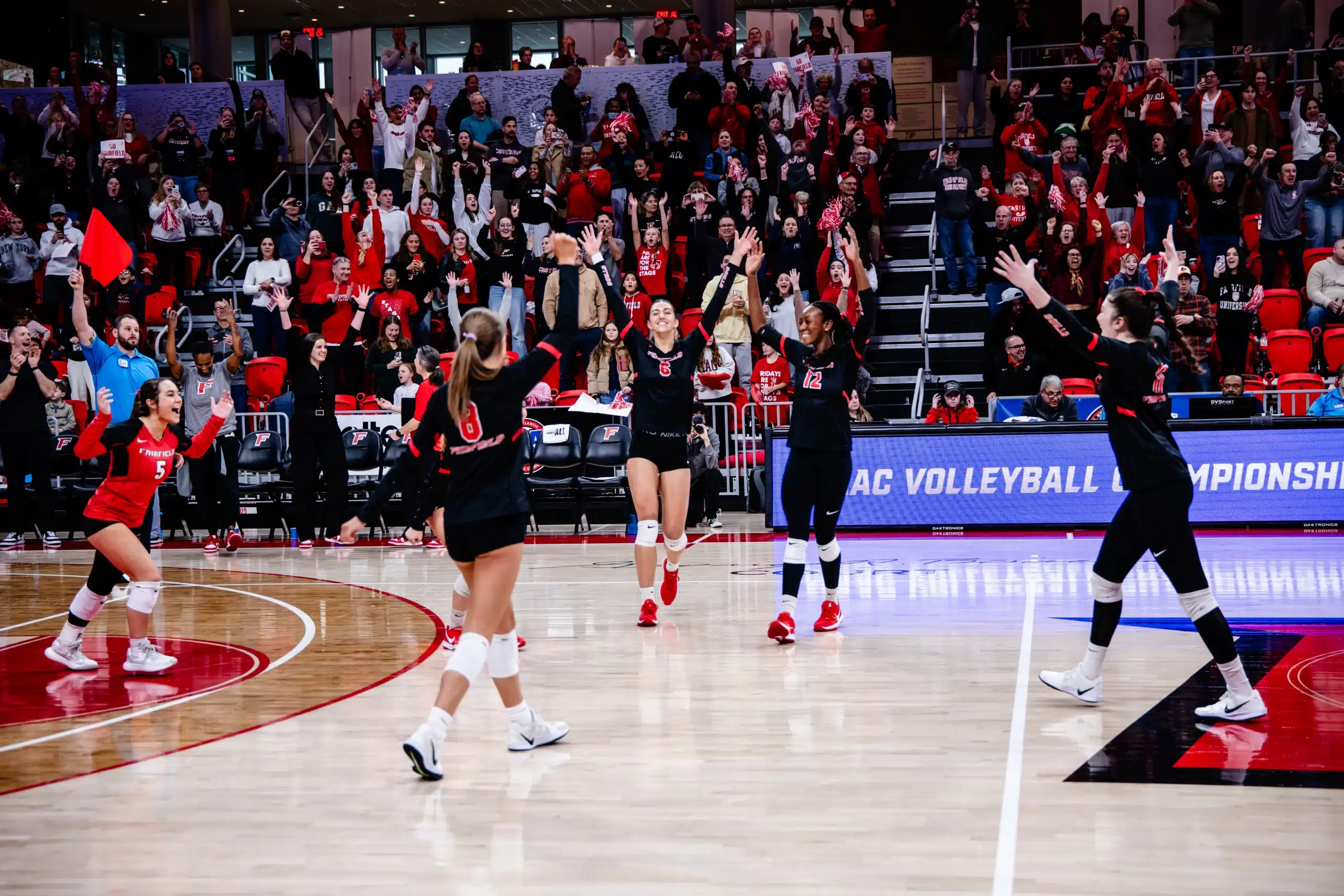
Volleyball Conditioning Exercises for Speed and Endurance
Things like general strength training and 30-minute jobs don’t make better volleyball players. The sport demands specific actions, like short explosive bursts, the ability to absorb and immediately reproduce force, as well as lateral quickness that holds up through the fifth set. Training that doesn't replicate those demands doesn't transfer. The good news is that volleyball-specific conditioning is also efficient. You don't need long workouts -- you just need the right ones. Start With Lateral Movement Most defensive movement in volleyball is lateral. You're shuffling to cover seams, closing the distance on balls hit to your side, and shifting for tips. First-step quickness in a lateral direction is probably the most transferable athletic quality a defensive player can develop. To help with this, try doing shuffle sprints between cones 10 [Read More>]